Table of contents · 13 sections
A concrete curing site checklist helps supervisors plan protection, daily observations and handover of concrete work. The following checklist explains the records to maintain and the limits of indicative curing guidance.
A concrete curing checklist helps site teams protect freshly placed concrete while its cementitious materials develop their intended properties. Curing requires control of moisture and temperature, not merely occasional sprinkling. The American Concrete Institute’s technical guidance explains the importance of maintaining suitable conditions during early-age development.
1. Agree the method before placing concrete · 2. Prepare equipment and safe access · 3. Start protection at the appropriate time · 4. Keep protection continuous · 5. Respond to weather and element conditions · 6. Record the inspection evidence · 7. Obtain release before loading or removing supports
1. Agree the method before placing concrete
The engineer and contractor should identify the approved curing approach, required duration, weather precautions, resources and responsibilities before the pour. Different elements, mixtures, climates and exposure conditions may require different measures. Use the applicable project specifications, not a universal duration quoted without context.
2. Prepare equipment and safe access
Check the availability of approved water supply, coverings, suitable curing membranes where specified, access arrangements and trained workers. Ensure hoses and wet surfaces do not introduce uncontrolled electrical or slip hazards. Plan inspection access without damaging fresh concrete or compromising temporary works.
3. Start protection at the appropriate time
Protect the fresh surface from rapid drying, wind and adverse temperatures. The method and timing should suit the finishing sequence and the condition of the concrete. Avoid damaging a surface that is not ready for direct water application. Where a membrane-forming curing compound is specified, check compatibility with subsequent coatings, toppings or bonded finishes.
4. Keep protection continuous
Inspect wet coverings for drying, displacement and exposed edges. Where ponding or sprinkling is approved, maintain the specified protection without unplanned interruptions. Check corners and vertical surfaces separately because their exposure may differ. A wet appearance during a single inspection does not prove uninterrupted curing.
5. Respond to weather and element conditions
Hot, dry and windy conditions can accelerate moisture loss, while cold conditions can slow strength development. Rain alone is not a controlled curing method. Review the approved procedure when the weather changes. For large elements where thermal gradients are a concern, follow the engineer’s temperature-control plan rather than improvising with cold water.
6. Record the inspection evidence
For an illustrative slab, the register can contain pour date and time, element reference, mix identification, curing method, start time, inspection times, weather observations, interruptions and corrective actions. Record actual observations rather than pre-filling successful checks. If a problem occurs, document the affected area and seek an engineering assessment.
7. Obtain release before loading or removing supports
Curing duration and readiness for construction loading are separate questions. Do not remove formwork or temporary supports simply because a generic number of days has passed. The authorised engineer must evaluate the applicable design, specifications, strength evidence and temporary works arrangements. Concrete volume and curing estimators support planning but do not approve structural work.
Concrete curing checklist: recording weather and handover
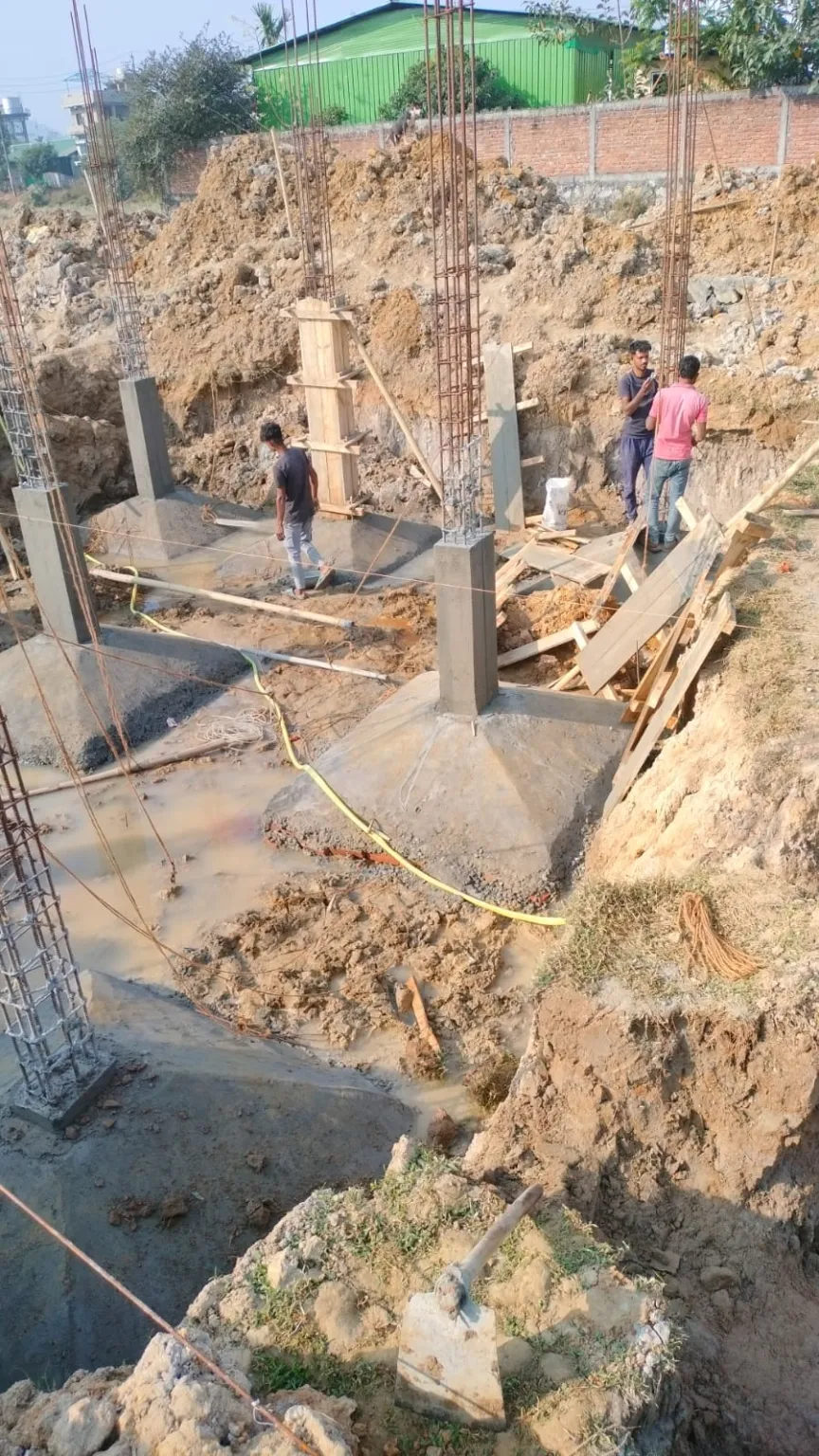
Use the concrete curing checklist at shift changes to identify the responsible person, member locations and any open issues. Record whether the approved protection arrangements are in place and whether access to inspection points is safe. If there is an interruption, report the observation and action rather than estimating unknown exposure time.
A concrete curing checklist should distinguish site observations from engineering decisions. For instance, documenting moisture protection does not itself establish the concrete’s strength or its readiness for loading. Consult the ACI explanation of curing for technical context and follow the project specification.
Keep the completed concrete curing checklist with the pour register and related inspection records, and transfer open actions to the next responsible shift.
Concrete curing checklist: example for a residential slab
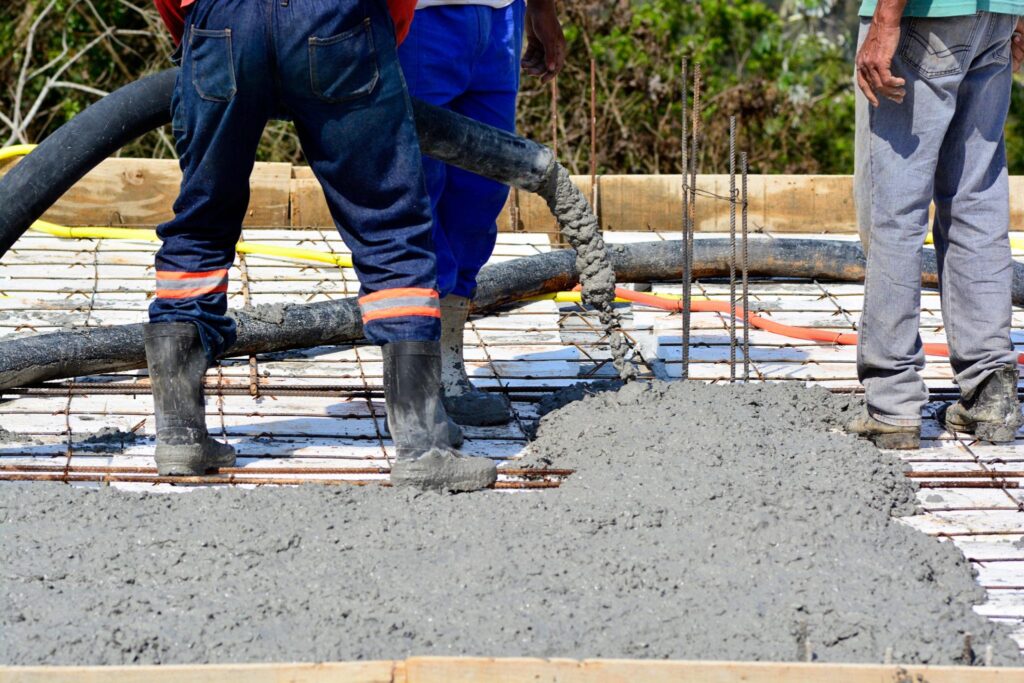
Before the pour, the site supervisor should prepare a concrete curing checklist identifying the member, placement date, approved protection method, required inspection frequency, materials, access arrangements and responsible staff. Confirm the approach with the engineer and record any changes caused by weather or delays.
During the first inspection, record the actual start of protection and whether exposed surfaces and edges are adequately covered under the approved method. If coverage is disturbed, restore it as directed and document the exception. During later checks, note the condition of protection, water availability where relevant, temperature or weather concerns, and any interruptions. A concrete curing checklist is useful only when the recorded observations correspond to the work actually performed.
The American Concrete Institute’s curing methods FAQ describes water-based and moisture-retention approaches. Choose the method according to the project specification and approved site conditions. Do not use this example to authorise formwork removal or loading.
Use our daily concrete curing record guide for a complementary inspection log, and the curing time estimator for planning context only.
Example concrete curing checklist handover form
Use the following fields on a paper or digital inspection sheet. Record the actual member and work location, date and shift, protection method, condition observed, any exception, action taken, responsible person and the next inspection due. Where a cover is disturbed, mark the affected location and describe the observed condition without assuming an unknown duration.
At handover, review the concrete curing checklist with the next supervisor. Keep the open items separate from the completed items. The inspector should note any change in the approved method or access arrangements and obtain the necessary instruction before acting. Record the follow-up check after any corrective work.

Related resources: SIE Engineering Construction · concrete curing time calculator · concrete strength calculator · concrete volume calculator.
Reference: American Concrete Institute, technical FAQs on curing, moisture retention and temperature; follow the applicable project specifications and competent engineer’s instructions. Reviewed 24 November 2026. General planning information, not a site-specific engineering approval.
Concrete curing site checklist: handover between shifts
A concrete curing site checklist should record the member identifier, placement date, approved curing method, protection condition and inspection responsibility. Before a shift ends, the supervisor should identify any interruption or damaged covering and hand over the unresolved issue to the next person responsible.
When applying a concrete curing site checklist to a floor slab, inspect corners, edges and other exposed locations as well as the main surface. Do not assume that rain alone provides adequate protection or that a fixed calendar period permits structural loading. Check the approved curing requirements, site observations and relevant test results with the appointed engineer.
Example of a documented curing inspection
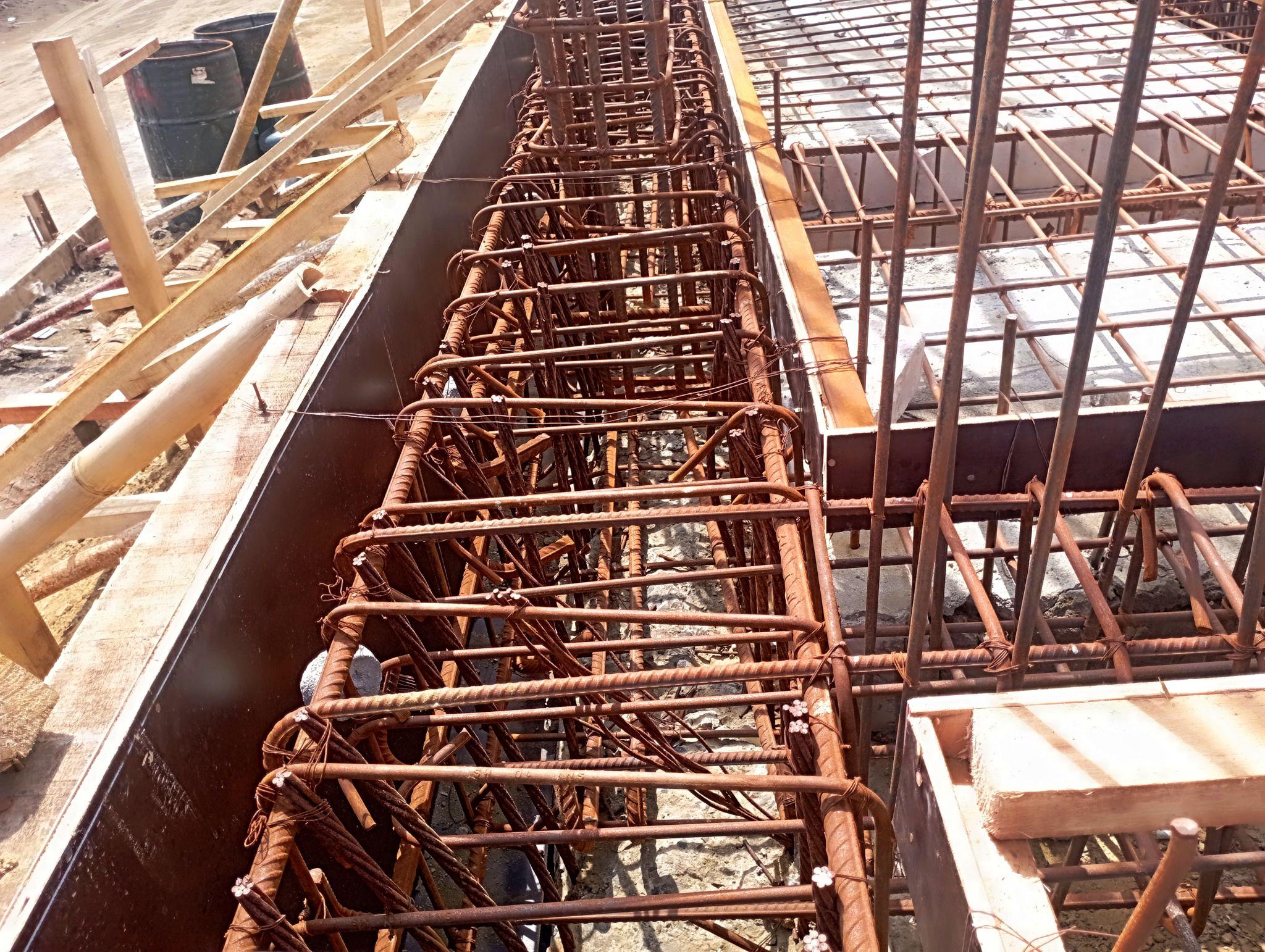
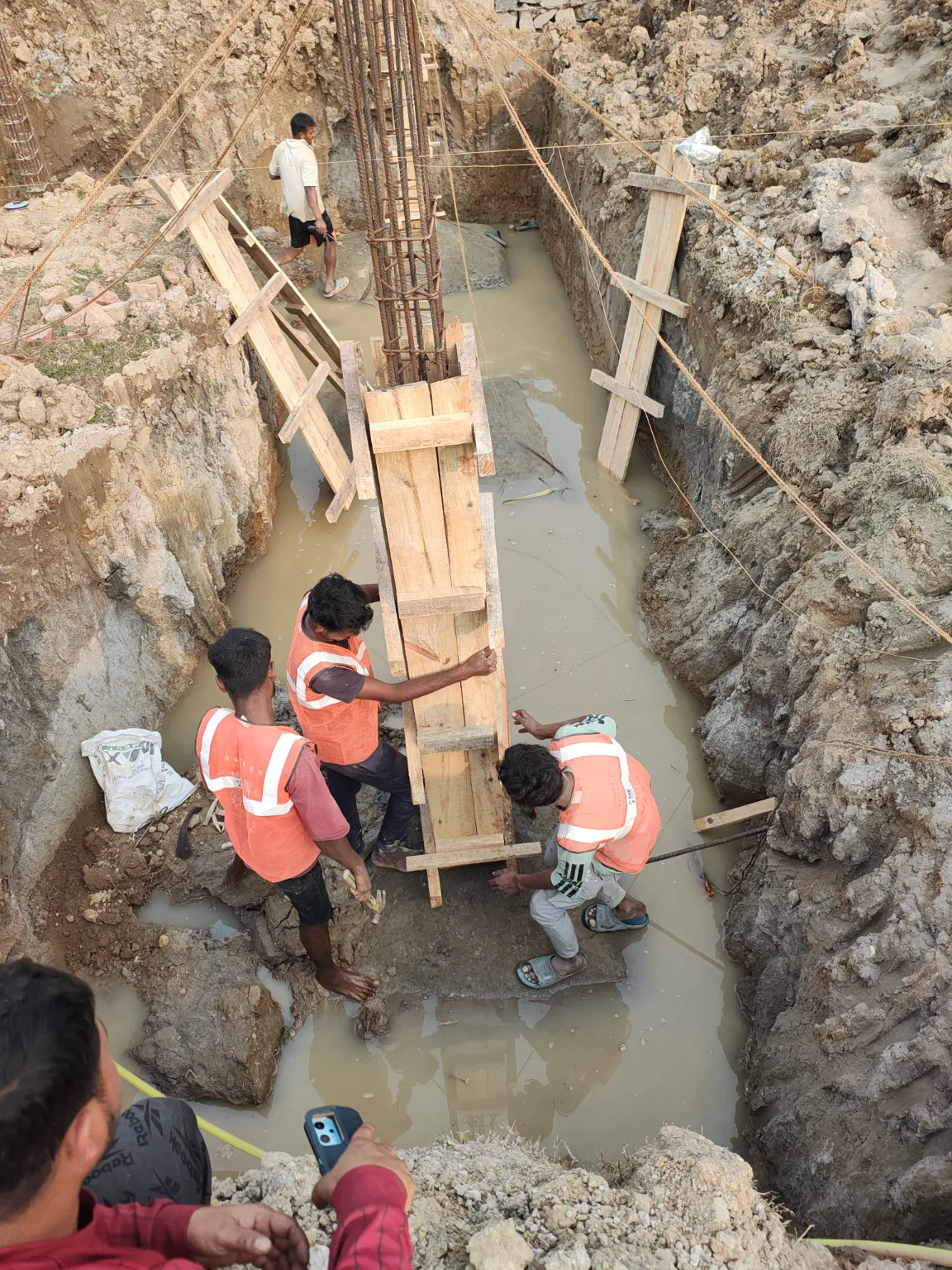
For a hypothetical slab inspection, record the time, member identification, observed protection condition, any repair carried out and the next check. A concrete curing site checklist does not establish strength. Where protection has been interrupted, notify the responsible professional and record their instructions rather than retrospectively marking the entry as satisfactory. Keep the concrete curing site checklist with the batch and inspection records.
Related resources: concrete curing record daily checks and concrete curing time calculator.
Discuss your project with SIE Engineering
WhatsApp us Call us · 9706677088Planning a project in Assam?
Talk to SIE Engineering about building permission, residential or industrial construction, renovation and cost estimates.
WhatsApp enquiryCall nowExplore relevant service
Pingback: Concrete Curing Record: 8 Daily Site Checks