Table of contents · 18 sections
Quick answer: A concrete curing record is a simple daily site document showing when concrete was placed, how it was protected, when curing began, who checked it, and what site conditions could affect the work. It does not replace a structural engineer’s design, approved mix, cube testing or project specifications. It helps the owner, contractor and supervisor notice missed curing before a small site lapse becomes a durability problem.
Concrete gains performance through hydration. That process needs suitable moisture and temperature conditions after placement. On a busy house, commercial or industrial site, the practical challenge is not knowing that curing matters. The challenge is making sure somebody owns the daily task after the shuttering crew and concrete gang have left. A concrete curing record gives the site team a consistent method to plan, check and hand over that responsibility.
Contents
- What a concrete curing record does
- Before concreting: set up the record
- Day one: the first protection checks
- Daily curing log template
- Choose the curing method for the member
- Weather, rain and hot-day controls
- Worked example
- Handover and common mistakes
- FAQs
1. What a concrete curing record does
A concrete curing record is not a certificate that concrete is safe to load. It is a practical quality-control note. It links a physical member—such as a slab, footing, column, beam, stair or plinth band—to a date, a curing plan and a supervisor’s observations. The record makes it easier to answer basic questions later: when was the pour completed, was the surface kept protected, was there heavy rain, was a membrane or ponding arrangement used, and when was the responsibility passed to the next crew?
For a homeowner, a concrete curing record creates a clear discussion point with the contractor. For a site engineer, it is a reminder to coordinate water, hessian, plastic sheeting, barriers and labour before the pour. For a contractor, it reduces the risk that a newly cast member is left exposed during a weekend, a holiday or a change of work gang. It is especially useful when several pours occur close together and the site team must not confuse their dates.
Use the project’s approved drawings, concrete mix design, specifications and engineer’s instructions as the controlling documents. The exact curing duration and method depend on the cementitious system, exposure, member type, weather, strength requirements and specification. A generic website guide cannot determine when formwork may be removed, when a slab may be loaded or whether a particular concrete has reached its required strength.
2. Before concreting: set up the concrete curing record
Create the record before transit mixers, labour and pumps arrive. Waiting until after a pour is a common reason details are guessed or omitted. Give each pour a simple identifier, for example “GF slab—east bay—12 June” or “Footing F-07—grid B/3.” The identifier should match the site drawing or measurement sheet closely enough that a later reviewer can locate the work.
| Record field | Why it matters | Example entry |
|---|---|---|
| Member and location | Prevents confusion between pours | First-floor slab, north bedroom bay |
| Placement start and finish | Establishes the time sequence | 08:30 to 11:45 |
| Concrete reference | Connects to approved mix or delivery documentation | Use the project batch/delivery reference |
| Protection owner | Names the person or team responsible | Site supervisor / curing crew |
| Planned method | Avoids an improvised response later | Wet hessian plus sheet cover after initial set |
| Weather note | Records rain, sun, wind or unusual conditions | Overcast; short rain at 14:00 |
Confirm the water source and hose route before work begins. Water should not be sprayed on fresh surfaces in a way that damages finishing work or erodes weak mortar-like surface material. Plan barriers so people do not walk across a recently finished slab merely to reach another area. If the approved method uses wet coverings, make sure the covering is clean and large enough to protect the whole relevant area. If it uses a curing compound, follow the product instructions and the project specification; do not assume every finish or future coating is compatible with it.
3. Day one: the first protection checks
Freshly placed concrete needs good finishing and protection from premature moisture loss, rain damage, rapid temperature changes and physical disturbance. The required sequence must follow the approved method. The site record should not tell a worker to apply water at a fixed number of minutes after placement because surface setting behaviour varies with concrete, weather and finishing conditions. Instead, record the approved curing-start instruction and the actual observation when the designated supervisor commenced protection.
For a slab, the first check is usually about protecting the finished surface and keeping unnecessary traffic away. For vertical members, check whether shuttering itself provides temporary moisture protection and whether joints, open tops or exposed faces require attention. For a footing, verify that excavation water, soil collapse or loose material has not affected the member or adjacent work. Where rain arrives soon after finishing, the correct response depends on the surface condition and project method; avoid brushing or reworking a damaged surface without technical direction.
Record observations plainly. “Curing done” is weak documentation. “Wet hessian placed after supervisor confirmed surface condition; sheet cover secured at edges; no foot traffic allowed” is more useful. If a problem occurs, record it without hiding it: for example, an uncovered corner, a hose failure, unexpected rain or access by another trade. Then note the corrective step and who was informed.
4. Daily concrete curing record template
A good daily sheet can be short. The important point is consistency. Use one row per member or pour area, rather than one vague note for an entire project.
| Day | Member | Protection observed | Weather / issue | Action and checker |
|---|---|---|---|---|
| 0 | Slab A | Initial protection arranged as specified | Warm afternoon | Supervisor checked barriers and cover |
| 1 | Slab A | Cover in place; moisture condition checked | No unusual issue | Curing crew log signed |
| 2 | Slab A | Cover repositioned at one edge | Wind lifted edge | Edge secured; supervisor informed |
| 3+ | Slab A | Continue project-approved method | Record exceptions only | Daily sign-off |
Do not treat the table as a substitute for a concrete test report, cube register or formal inspection request. Those records have separate purposes. A concrete curing record simply demonstrates whether the planned early-age protection was actively managed. Keep it with pour cards, delivery notes, approved drawings and relevant site instructions.
5. Choose the curing method for the member
There is no single best method for every concrete member. Water-based curing, wet coverings, impermeable coverings and curing compounds are all used in practice under suitable conditions. The right choice depends on the project specification and the next construction activity. A roof slab may need a planned water-retention arrangement, while a vertical column may remain protected by formwork for part of the early period. A member that will receive a bonded coating or finish requires compatibility checks before a curing compound is selected.
- Wet coverings: useful where the approved method requires moisture retention. Keep the covering in contact and prevent dry patches.
- Impermeable sheets: can reduce evaporation when placed and secured correctly. Inspect gaps, lifting edges and damage.
- Water retention or ponding: only use where the member, detailing and site safety arrangements are suitable and approved.
- Curing compounds: use only the specified product, coverage rate and application method. Check later finish compatibility.
- Formwork retention: may help protect faces, but it does not remove the need to follow the approved stripping and curing plan.
The purpose is controlled moisture protection, not uncontrolled flooding. Excess water can create safety hazards, affect adjacent works and conceal defects. Keep electrical leads, access routes and edge protection under control. The supervisor should decide how the curing method is maintained when the site is closed overnight.
6. Weather, rain and hot-day controls
Weather changes the practical risk, not the need for a plan. In hot, dry or windy conditions, early moisture loss can become more important. In monsoon conditions, rainwater, muddy access, cover damage and delayed work sequencing can create other problems. Add a weather note to the concrete curing record whenever conditions are unusual. A one-line note can explain why a supervisor increased checks or changed the protection arrangement under the project method.
For a Guwahati or Assam site, prepare rain covers, drainage paths and storage before the forecast changes. Protect new work from uncontrolled runoff and keep workers from using a fresh slab as a shortcut. Material storage also affects concrete quality control: wet cement bags, contaminated aggregate and unplanned water additions should be addressed through the project’s material and batching controls, not solved by altering mix proportions at site without approval.
For simple pre-planning, the Concrete Volume Calculator can help estimate the volume to be placed, while the Water Cement Ratio Calculator explains a basic mix-control concept. Neither calculator selects an approved structural mix or curing duration for a project.
7. Worked example: a small roof-slab curing plan
Assume a house has a simple roof slab pour. The site team has approved drawings, an engineer’s concrete specification and a planned finishing sequence. Before placement, the supervisor lists the slab area, confirms the source of water, keeps clean coverings ready and assigns one person to check protection after the concrete gang leaves. This is preparation, not structural approval.
At the end of the pour, the supervisor records the actual finishing completion time and checks that temporary barriers prevent foot traffic. Once the surface condition permits the approved curing method, the team applies the planned protection and records the time. On the next day, the checker confirms that the covering remains continuous and that no exposed dry edge is visible. If wind lifts one corner, the log records the issue, the corrective action and the time it was completed.
The value of this example is not the exact time shown on a clock. It is the discipline: identify the member, follow the approved method, inspect the result and record exceptions. If an engineer later asks about a surface concern, the team has evidence of what it observed rather than a memory-based answer.
8. Handover and common mistakes
Before the next activity starts, close the concrete curing record with a simple handover note. State whether the protection period and inspection record were completed in line with the project plan, whether any exception was reported, and which related records exist. Do not write “strength achieved” unless a qualified person has reviewed the applicable evidence. Loading, de-shuttering, waterproofing, tiling and other later decisions require their own project-specific checks.
- Starting with no named curing owner.
- Writing “watered” without noting member, method or condition.
- Allowing access before the site team has cleared it.
- Using a website article instead of the approved specification.
- Applying an unsuitable compound before checking later finish compatibility.
- Ignoring one exposed corner because most of the slab is covered.
- Guessing at duration, stripping or loading dates.
For a wider construction quality discussion, see SIE’s Concrete Curing Time Calculator, the Concrete Strength Gain Calculator and the construction services in Guwahati. These pages are planning resources; site-specific decisions remain with the appointed professionals and approved project documents.
Frequently asked questions
Can a concrete curing record replace cube testing?
No. A curing record documents protection and site observations. Test results, delivery records, inspection reports and approved specifications are separate controls.
Who should sign the record?
The project should identify a responsible site supervisor or engineer. On small sites, the owner may keep a copy, but technical acceptance should follow the project’s formal responsibility structure.
How long should concrete be cured?
There is no universal website answer for every project. Follow the applicable specification, mix design, exposure conditions and engineer’s instructions. Do not use a generic day count as approval to load or alter a structural member.
Concrete curing record: how to document an interruption
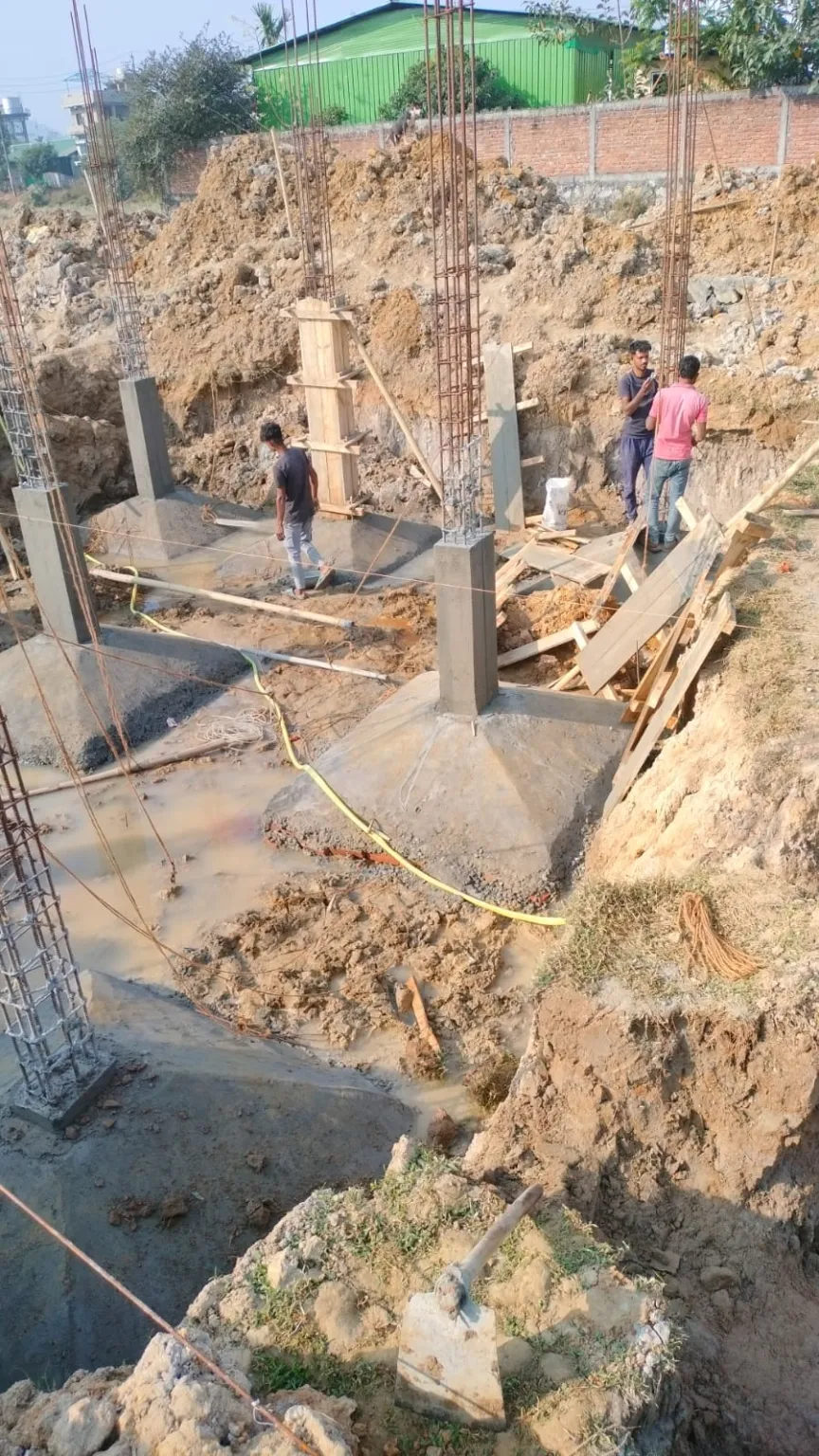
Consider an illustrative shift handover in which a protective cover is found displaced after rain and wind. The supervisor should enter the affected member, observation time, affected area and observed condition in the concrete curing record. Avoid recording a guessed duration of exposure as a measured fact. Notify the responsible engineer where required, restore protection according to the approved method and document the corrective action.
At the next inspection, record the follow-up observation separately so the original exception is not lost. The concrete curing record should identify the person who checked the work and any instruction received. If the condition requires testing or additional review, keep the matter open until the competent person has decided the next step.
The ACI explanation of curing describes why appropriate moisture and temperature conditions matter for development of concrete properties. An inspection log is not a strength test. Link the concrete curing record to the pour register, applicable specification and any related quality test results. Use the site curing checklist for planning controls before placement.
A practical next step
Before the next concrete pour, prepare a one-page concrete curing record, name the responsible person and arrange the protection materials in advance. For a Guwahati or Assam project that needs a scope-based construction discussion, visit SIE Engineering Construction or use the contact page. Good records do not replace engineering, but they make everyday site quality easier to manage.
Editorial note: This guide is general planning information. It is not a concrete design, mix approval, structural certificate, testing report or instruction to load a member.
Concrete curing record: sample daily inspection entry
A concrete curing record should identify the concrete member, date of placement, curing method, inspection time and the person making the entry. For example, a supervisor may record that a particular slab was protected after placement, the covering was inspected in the morning and a damaged portion was replaced. The record describes the actual observation rather than asserting that the concrete has achieved a specified strength.
Concrete curing record during changing weather
When rainfall interrupts planned site work, record the weather and the condition of the protective covering. During hot or windy periods, check exposed edges and the condition of the curing protection. The concrete curing record should identify the issue, action taken and next inspection, rather than simply ticking the same box each day.
Review the concrete curing record with batch details and test reports before any construction decision that depends on concrete strength. The responsible engineer determines the appropriate curing requirements and conditions for removing formwork or applying loads. Maintain a concrete curing record for separate pours when their start times or conditions differ.
Use the record to hand over responsibilities between shifts. Record the name of the person receiving responsibility and any pending action. The concrete curing record helps establish traceability; it is not a structural approval.
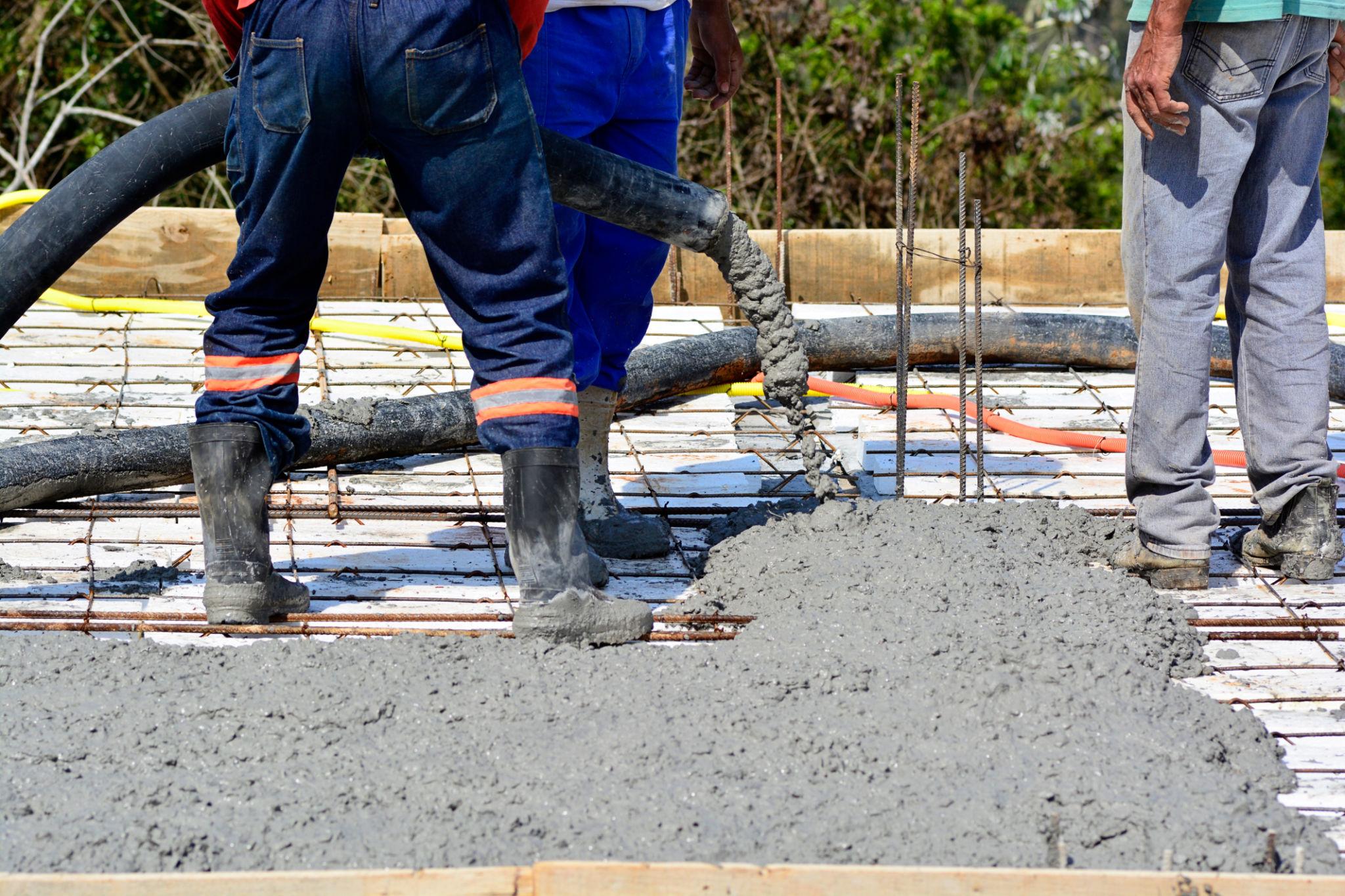

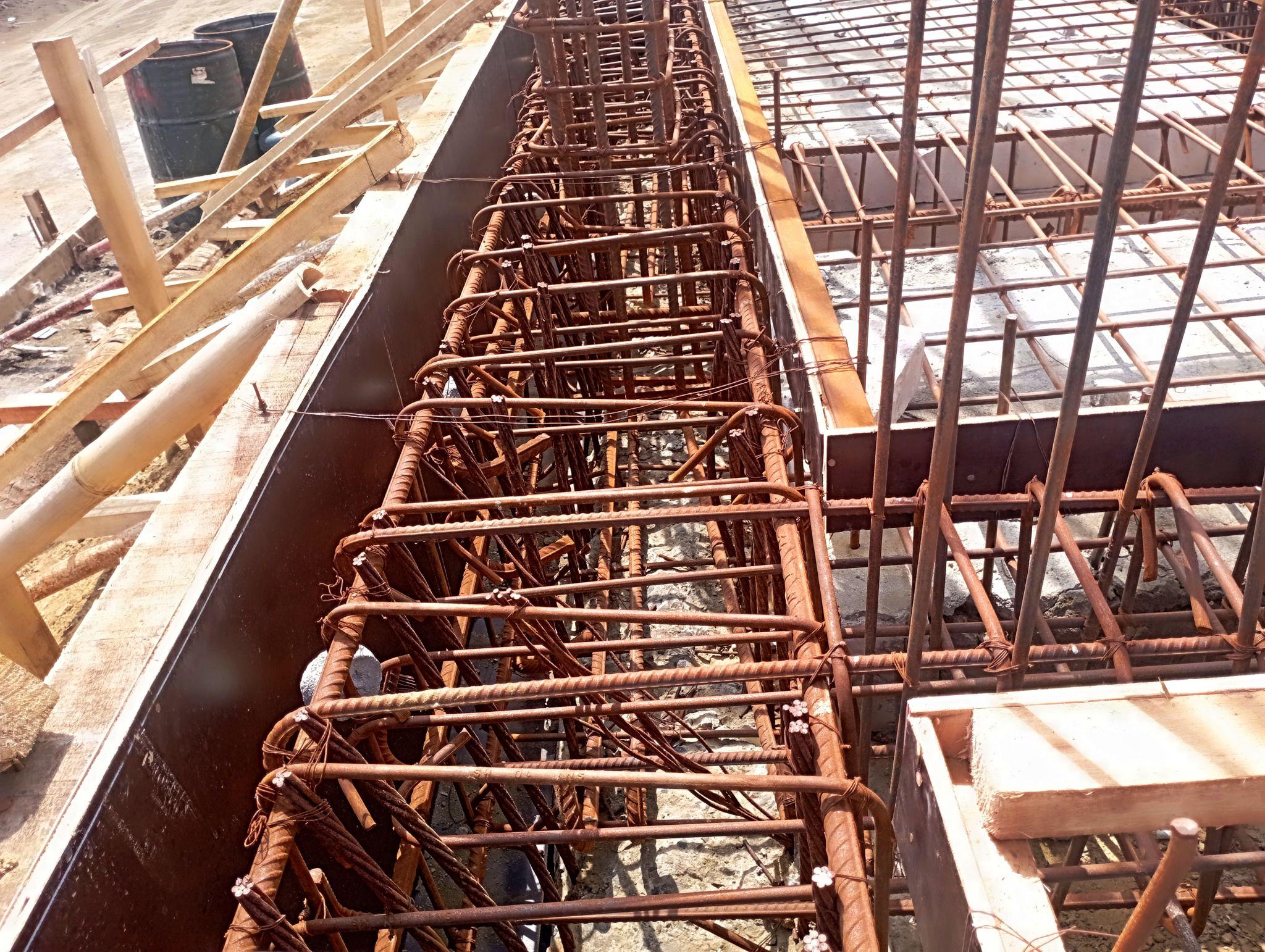
Related resources: concrete curing time calculator and concrete curing site checklist.
Discuss your project with SIE Engineering
WhatsApp us Call us · 9706677088Planning a project in Assam?
Talk to SIE Engineering about building permission, residential or industrial construction, renovation and cost estimates.
WhatsApp enquiryCall nowExplore relevant service
Pingback: Concrete Curing Checklist: 7 Practical Site Controls